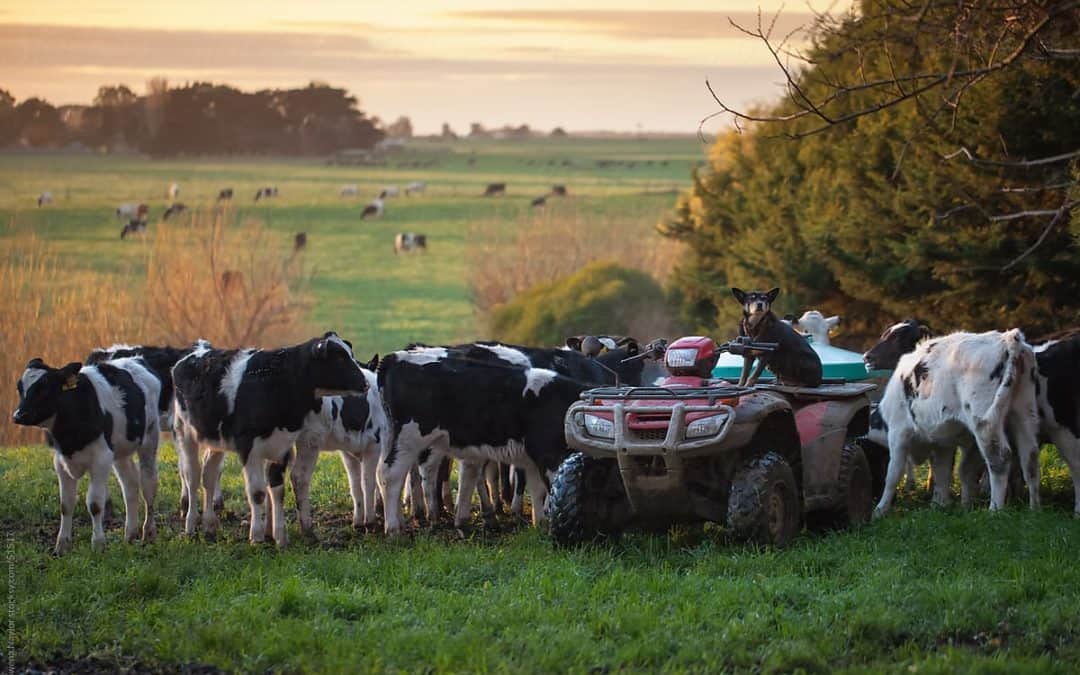
Over the past 20 years, one of the biggest changes in New Zealand calf rearing has been the quality of beef calves coming out of the dairy herd.
In the past, many non-replacement calves were simply a by-product. Today, more dairy farmers are using beef genetics with a clear end goal in mind: calves that are easier to rear, grow faster, and deliver better value further down the line. Strategic beef-on-dairy mating is now a major focus in New Zealand, with sire selection increasingly aimed at traits like calving ease, growth, carcass performance, and overall beef value. DairyNZ notes that beef genetics can lift carcass weight, muscle yield, and dressing-out percentage compared with straight dairy progeny. Recent DairyNZ reporting also highlights just how much bull choice matters, with top-performing bulls in dairy-beef progeny testing delivering materially better carcass outcomes than lower-performing sires.
That matters to calf rearers because better genetics often show up early. Good calves tend to have more shape, more vigour, more consistency, and more obvious growth potential. They are not just calves to get through the shed, they are animals with genuine value.
But genetics are only part of the story.
A well-bred calf still needs the right start. Early nutrition, good colostrum management, hygiene, warmth, and consistent feeding all play a major role in whether that calf actually reaches its potential. Genetics can raise the ceiling, but rearing is what determines how close a calf gets to it. LIC also points out that environmental factors still influence how dairy-beef calves perform, alongside bull genetics.
For rearers, this creates a real opportunity. When you are working with better-bred calves, the value of getting the basics right becomes even greater. Strong early growth does not just help fill out a calf in the short term. It helps set up the kind of animal that buyers and finishers actually want.
The takeaway is simple: New Zealand’s dairy-beef calf is changing. Better genetics are producing better calves, and the rearers who match those genetics with excellent early care will be the ones who get the most value from them.